
How to Exercise Properly: A Beginner’s Complete Guide
If you are wondering how to exercise correctly and consistently, you are not alone. Many people want to start exercising but feel confused about where to begin, what exercises to do, and how much time to spend. The good news is that exercising does not need to be complicated. With the right approach, anyone can build a healthy routine and stick to it long-term.
In this guide, you will learn how to exercise step by step, even if you are a complete beginner. This article focuses on simple movements, realistic goals, and practical tips that fit into everyday life.
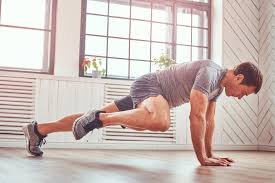
How to Exercise for Beginners Without Feeling Overwhelmed
When learning how to exercise, the biggest mistake beginners make is trying to do too much too soon. Exercise should feel challenging but not exhausting.
Start by understanding that exercise has three main components:
– Cardio for heart health
– Strength training for muscles
– Flexibility for mobility and injury prevention
You do not need a gym membership or expensive equipment. Walking, body-weight exercises, and stretching are enough to get started.
Internal Link: If your website also covers wellness topics, link here to a post like “Benefits of Daily Physical Activity”.
How to Exercise Daily Using Simple Movements
Daily exercise does not mean intense workouts every day. To understand how to exercise daily, focus on consistency rather than intensity.
Simple daily exercises include:
– Brisk walking for 20–30 minutes
– Squats, push-ups, and lunges at home
– Light stretching in the morning or before bed
The goal is to move your body every day. Even small efforts add up over time.
How to Exercise Correctly With Proper Form
Learning how to exercise correctly is more important than doing more repetitions. Poor form can lead to injuries and slow progress.
Basic form tips:
– Keep your back straight during exercises
– Breathe properly, don’t hold your breath
– Move slowly and with control
If possible, watch professional demonstrations from trusted sources.
External DoFollow Link:
You can learn correct exercise form from healthline.com
How to Exercise at Home Without Equipment
One of the most common questions is how to exercise at home without going to the gym. Home workouts are effective, affordable, and convenient.
Effective home exercises include:
– Body-weight squats
– Wall push-ups
– Planks
– Jumping jacks
You can create a 20-minute routine using only these exercises and still see great results.
How to do Exercise Safely and Avoid Injuries
Understanding how to exercise safely helps you stay consistent and pain-free.
Safety rules you should always follow:
– Warm up for 5 minutes before exercising
– Cool down and stretch after workouts
– Stop immediately if you feel sharp pain
Rest days are also part of exercise. Your muscles grow when they recover.
How to do Exercise and Stay Motivated Long Term
Many people know how to exercise, but struggle to stay motivated. Motivation comes from habits, not willpower.
Tips to stay consistent:
– Set small and realistic goals
– Track your progress weekly
– Exercise at the same time every day
– Choose activities you enjoy
Instead of focusing on weight loss, focus on how exercise improves your energy, mood, and confidence.
How to do Exercise for Overall Health and Lifestyle Balance
Exercise should support your lifestyle, not control it. Once you understand how to exercise, you can adjust your routine based on your schedule, age, and health conditions.
A balanced weekly plan may include:
– 3 days of light strength training
– 2 days of cardio
– 2 days of rest or stretching
Consistency over months matters more than perfection in a single week.
Final Thoughts on How to Exercise Effectively
Learning how to exercise is a journey, not a one-day decision. Start small, stay consistent, and listen to your body. You do not need to be perfect—you just need to begin.
If you make exercise a regular part of your life, the benefits will naturally follow: better health, higher energy, and improved confidence.
Regular physical activity is one of the best habits a person can develop for a healthy life. It helps the body stay active, improves blood circulation, and supports both mental and physical well-being. Many people believe that being active requires a gym or heavy equipment, but that is not true. Simple movements like walking, stretching, or light body exercises can make a big difference when done consistently. Even 20 to 30 minutes of daily movement can improve energy levels and reduce stress.
Staying active also plays an important role in managing weight and improving muscle strength. When the body moves, it burns calories and builds endurance over time. It also helps improve posture, balance, and flexibility, which are important as we grow older. Regular movement supports heart health, keeps joints flexible, and can reduce the risk of common lifestyle-related problems. The key is not intensity but regularity. Doing something small every day is more effective than doing something intense once in a while.
Mental health benefits are just as important as physical ones. Physical movement releases feel-good chemicals in the brain that help reduce anxiety and improve mood. People who stay active often feel more confident and focused in their daily lives. It also helps improve sleep quality, making it easier to fall asleep and wake up refreshed. Taking time out for physical activity can also act as a mental break from work, screens, and daily responsibilities.
Building an active lifestyle does not mean following strict rules. It is about finding activities that feel enjoyable and easy to maintain. Some people enjoy morning walks, while others prefer evening stretches or light routines at home. The best routine is one that fits naturally into daily life without feeling like a burden. Over time, these small efforts turn into a habit that supports long-term health and overall well-being.
Regular physical activity is one of the best habits a person can develop for a healthy life. It helps the body stay active, improves blood circulation, and supports both mental and physical well-being. Many people believe that being active requires a gym or heavy equipment, but that is not true. Simple movements like walking, stretching, or light body exercises can make a big difference when done consistently. Even 20 to 30 minutes of daily movement can improve energy levels and reduce stress.
Staying active also plays an important role in managing weight and improving muscle strength. When the body moves, it burns calories and builds endurance over time. It also helps improve posture, balance, and flexibility, which are important as we grow older. Regular movement supports heart health, keeps joints flexible, and can reduce the risk of common lifestyle-related problems. The key is not intensity but regularity. Doing something small every day is more effective than doing something intense once in a while.
Mental health benefits are just as important as physical ones. Physical movement releases feel-good chemicals in the brain that help reduce anxiety and improve mood. People who stay active often feel more confident and focused in their daily lives. It also helps improve sleep quality, making it easier to fall asleep and wake up refreshed. Taking time out for physical activity can also act as a mental break from work, screens, and daily responsibilities.
Building an active lifestyle does not mean following strict rules. It is about finding activities that feel enjoyable and easy to maintain. Some people enjoy morning walks, while others prefer evening stretches or light routines at home. The best routine is one that fits naturally into daily life without feeling like a burden. Over time, these small efforts turn into a habit that supports long-term health and overall well-being.
Regular physical activity is one of the best habits a person can develop for a healthy life. It helps the body stay active, improves blood circulation, and supports both mental and physical well-being. Many people believe that being active requires a gym or heavy equipment, but that is not true. Simple movements like walking, stretching, or light body exercises can make a big difference when done consistently. Even 20 to 30 minutes of daily movement can improve energy levels and reduce stress.
Staying active also plays an important role in managing weight and improving muscle strength. When the body moves, it burns calories and builds endurance over time. It also helps improve posture, balance, and flexibility, which are important as we grow older. Regular movement supports heart health, keeps joints flexible, and can reduce the risk of common lifestyle-related problems. The key is not intensity but regularity. Doing something small every day is more effective than doing something intense once in a while.
Mental health benefits are just as important as physical ones. Physical movement releases feel-good chemicals in the brain that help reduce anxiety and improve mood. People who stay active often feel more confident and focused in their daily lives. It also helps improve sleep quality, making it easier to fall asleep and wake up refreshed. Taking time out for physical activity can also act as a mental break from work, screens, and daily responsibilities.
Building an active lifestyle does not mean following strict rules. It is about finding activities that feel enjoyable and easy to maintain. Some people enjoy morning walks, while others prefer evening stretches or light routines at home. The best routine is one that fits naturally into daily life without feeling like a burden. Over time, these small efforts turn into a habit that supports long-term health and overall well-being.